A response while it still matters
Detection-triggered alerts go straight to an operator, so a response can start while someone is still at the fence line.
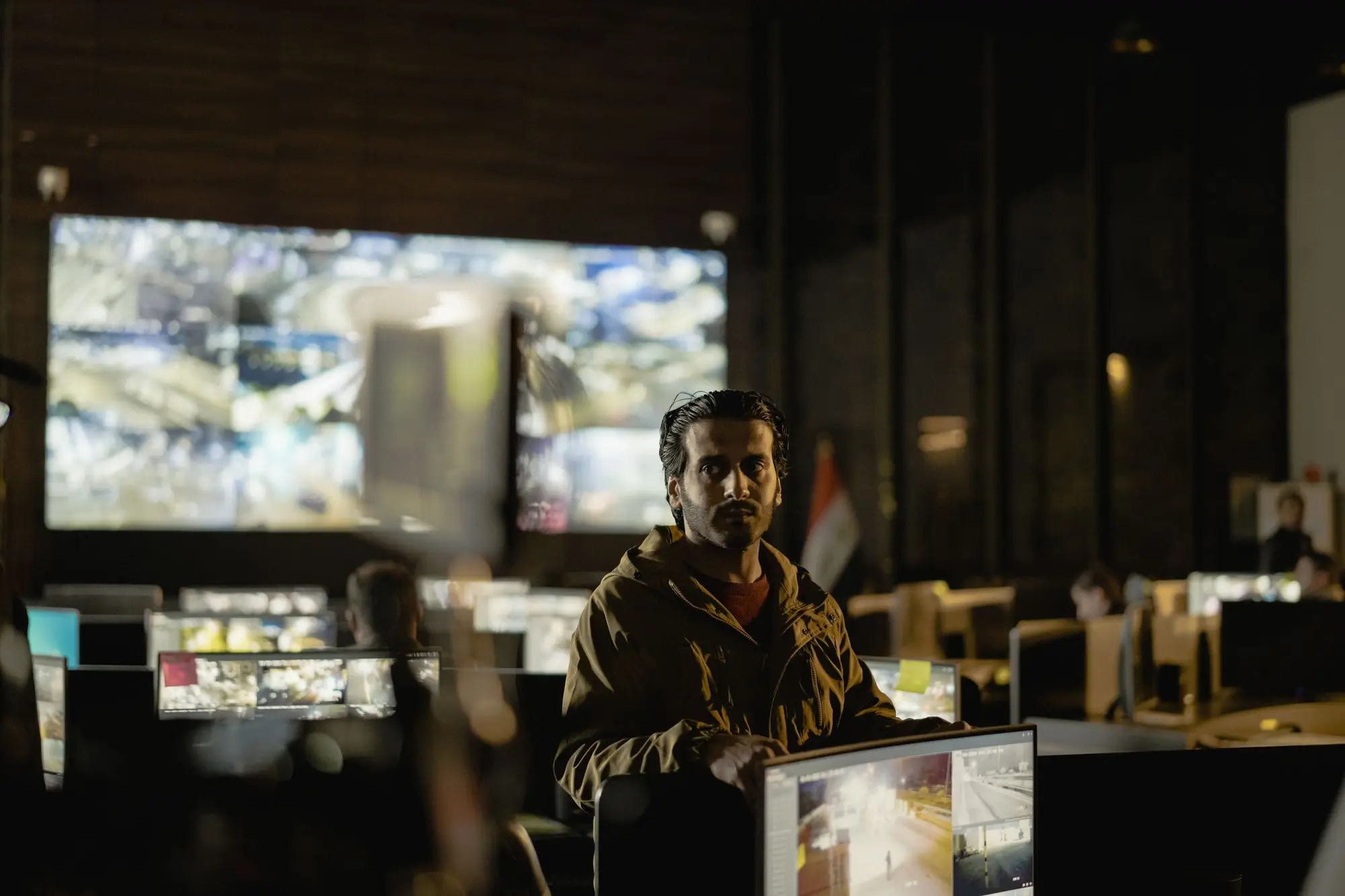
Operators in our staffed control room watch your cameras when detection triggers, challenge intruders by speaker and escalate to your keyholder, a patrol or the police, following a plan agreed with you.
Our control room links to your cameras and alarms for the hours you choose. When detection triggers, an operator reviews the live feed and decides what happens next.
A live voice describing exactly what someone is wearing is a strong deterrent. If they stay, we follow the response plan agreed with you: your keyholder, a patrol unit or the police, with footage of what happened.
Best forYards, construction sites and premises that are empty overnight.
The difference you should notice within the first few weeks.
Detection-triggered alerts go straight to an operator, so a response can start while someone is still at the fence line.
Operators confirm what is happening first, so keyholders and patrols respond to real events, and footage is ready if the police need it.
One operator watches many sites, so overnight protection costs far less than a night shift of officers.
From first conversation to a service that runs smoothly, in four stages.
We check existing cameras for coverage, image quality at night and whether they can connect to our control room.
Cameras are connected securely, detection zones are drawn and schedules are set for when monitoring is armed.
We agree who to call, in what order, and when to send a patrol or the police, and test it before go-live.
The first weeks are used to cut false alarms from wildlife, weather and lighting so real events stand out.
Most clients start with one option and adjust once reporting shows where the risk really sits.
Operators respond whenever analytics detect a person or vehicle in armed zones.
Best forYards, compounds and empty sites.
Scheduled walk-throughs of your cameras at set times, with a logged report of each check.
Best forSites that need regular checks between visits.
Check-in timers and panic alerts routed straight to the control room.
Best forStaff working alone or out of hours.
See how this service fits into a complete plan for each environment.
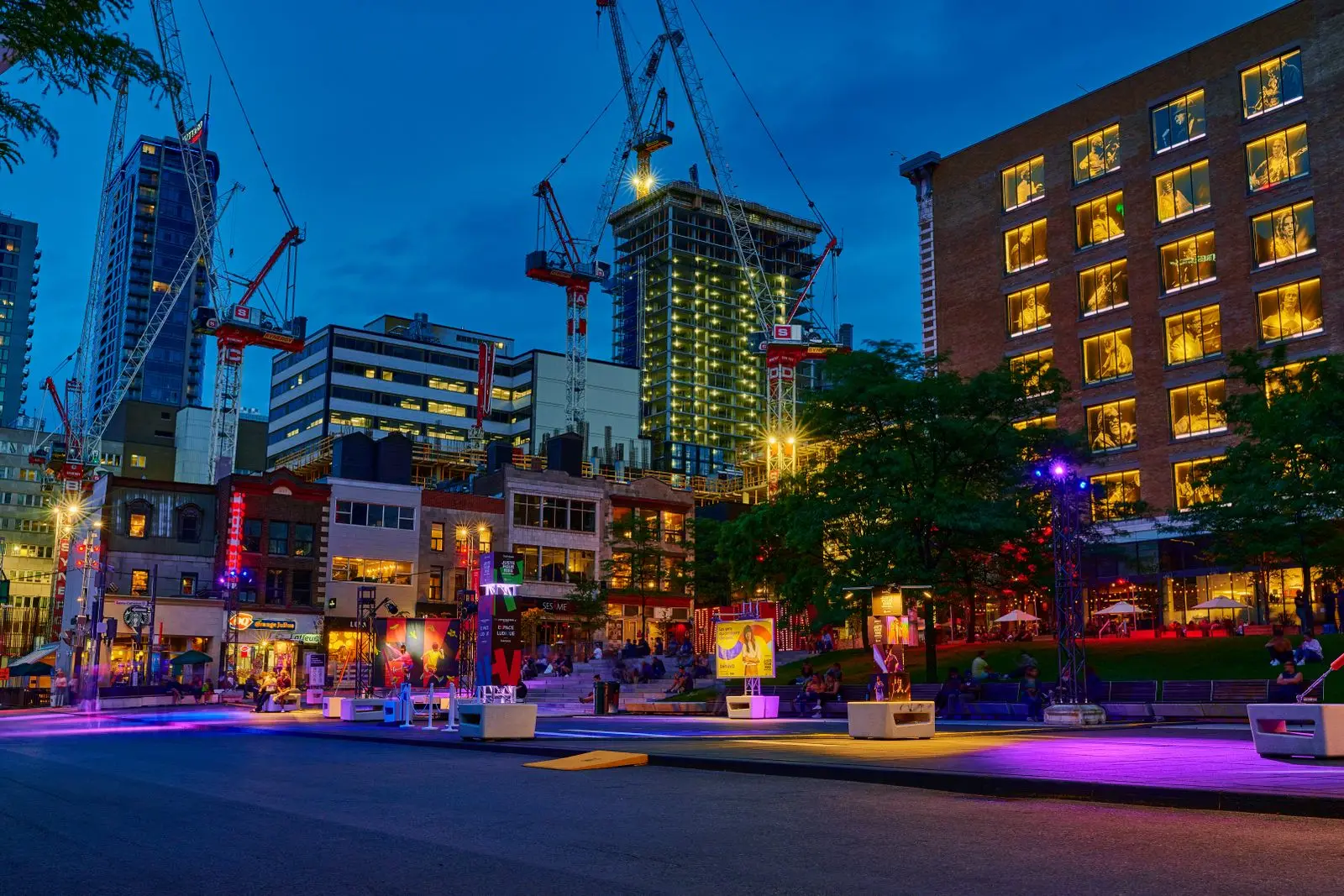
Camera towers, lock-ups and patrols to deter theft and trespass.
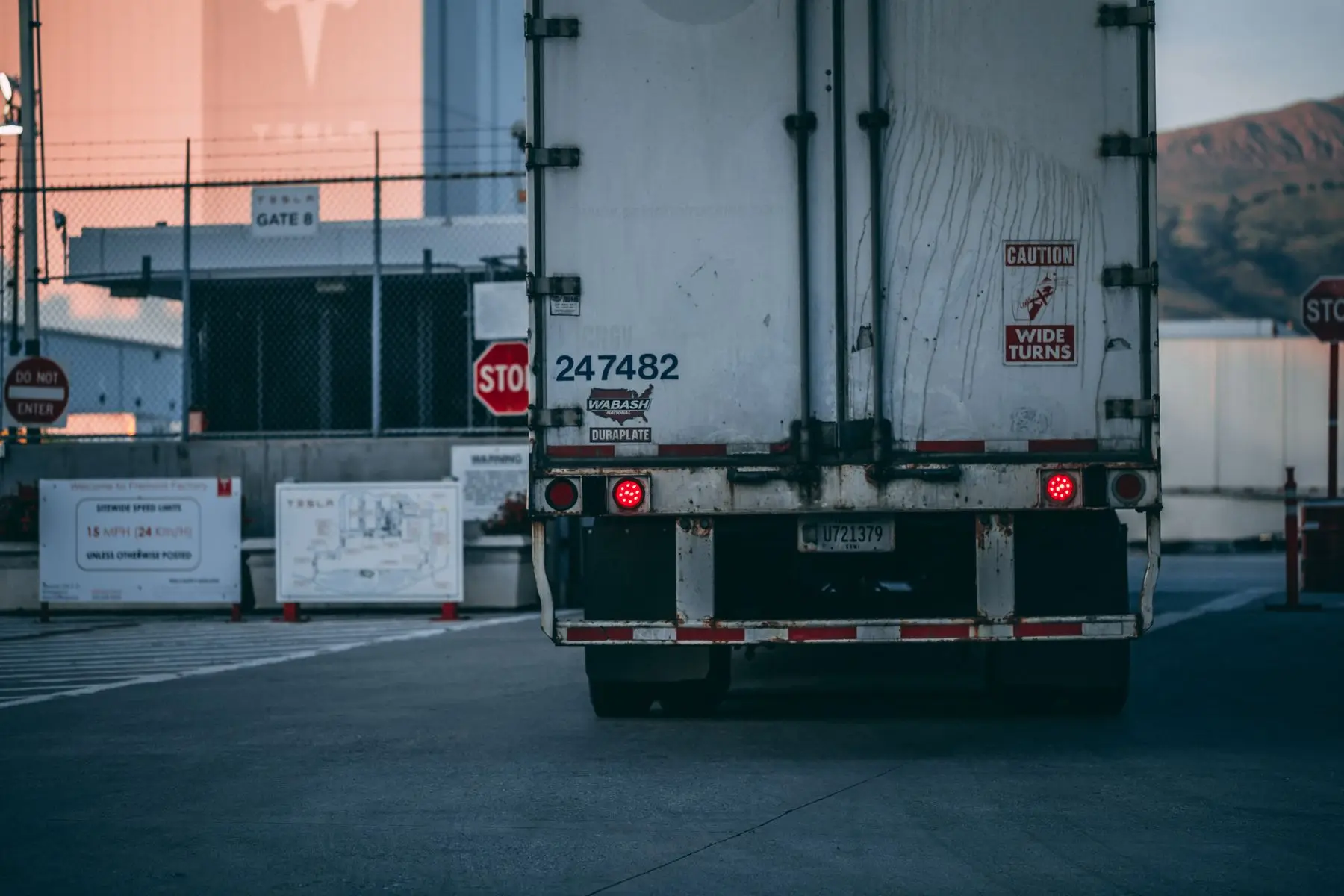
Gatehouse control, vehicle checks and perimeter patrols overnight.
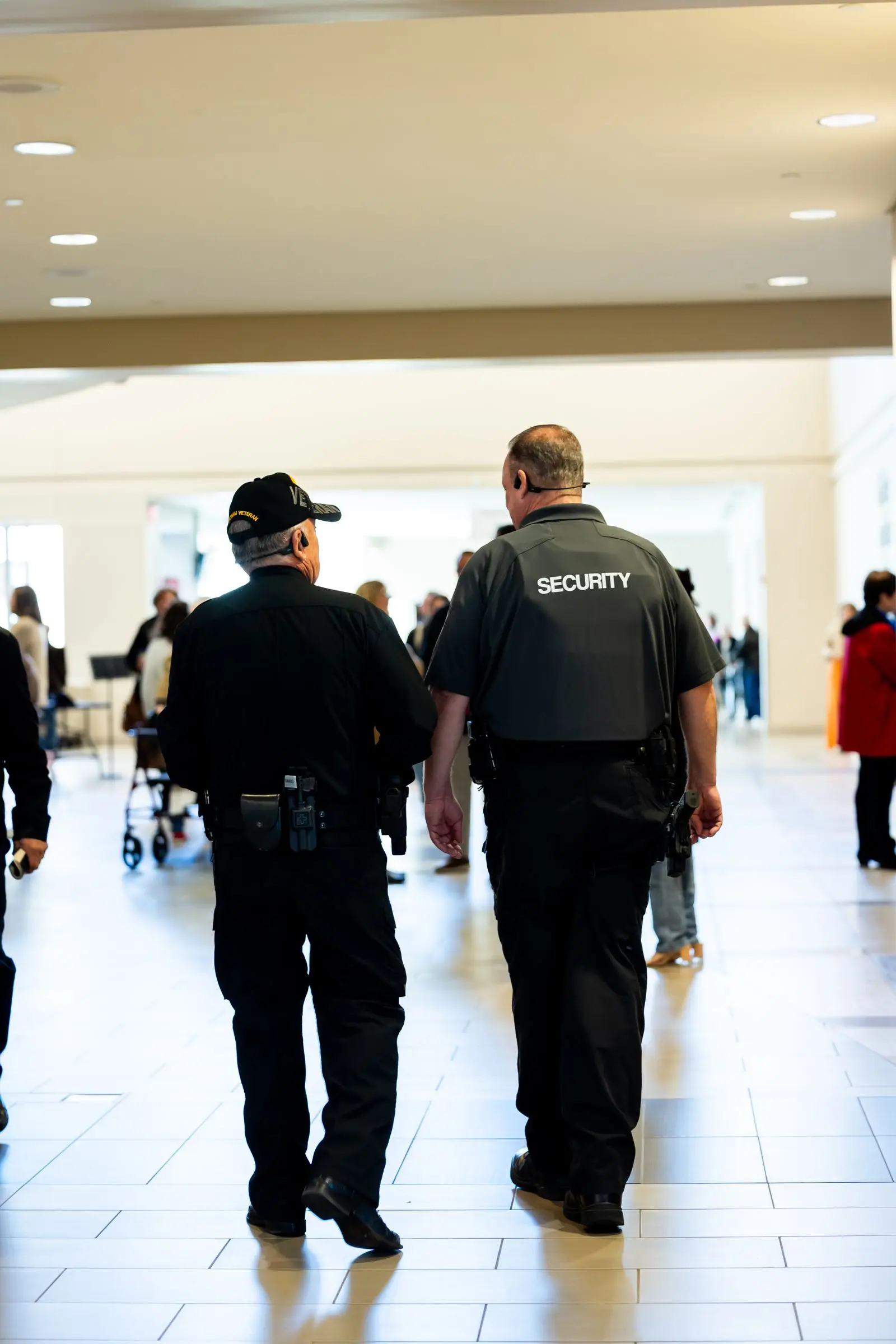
Theft reduction, staff safety and calm handling of busy periods.
Layered access, audit trails and strict escort procedures.
About remote cctv monitoring specifically. More answers are on the FAQ page.
Usually. Most modern IP systems can connect after a compatibility check. If cameras lack detection or night-time image quality, we will tell you which ones need upgrading and why.
An operator views the live feed, issues an audio challenge through site speakers, then escalates to your keyholder, a patrol unit or the police depending on the response plan.
Detection zones and sensitivity are tuned during the first weeks, and recurring false triggers are reviewed monthly. The aim is that every alert an operator sees is worth looking at.
Event clips are stored with each alarm record for the agreed retention period, then deleted. Continuous recording stays on your own system.
Services share one plan, one report and one account lead, so adding another is simple.
Uniformed officers for reception, access control, patrols and door supervision, trained on your site's routines.
Scheduled or random visits across several sites, plus a response unit sent when an alarm goes off.
Design, installation and maintenance of CCTV, intruder alarms, access control and fire detection.
Independent reviews of your threats, weak points and procedures, with a clear plan for what to fix first.
Identity, right-to-work, employment history and criminal record checks, returned quickly and securely.
Start with a free site survey. You'll get a written plan showing whether this service is the right fit, and what it would cost.