On this page
Key takeaways
- Officers matter most when people are on site and incidents involve people.
- Patrols add unpredictable cover across quiet hours and multiple sites.
- Monitoring is the most cost-effective way to protect a site that is empty.
Most security quotes arrive as a single answer: so many officer hours, at so much per hour. That makes comparison easy and decisions bad. A site rarely needs one type of cover for every hour of the week.
Start instead with a simple question for each part of your day: what could go wrong right now, and who would notice?
On-site officers: when presence is the point
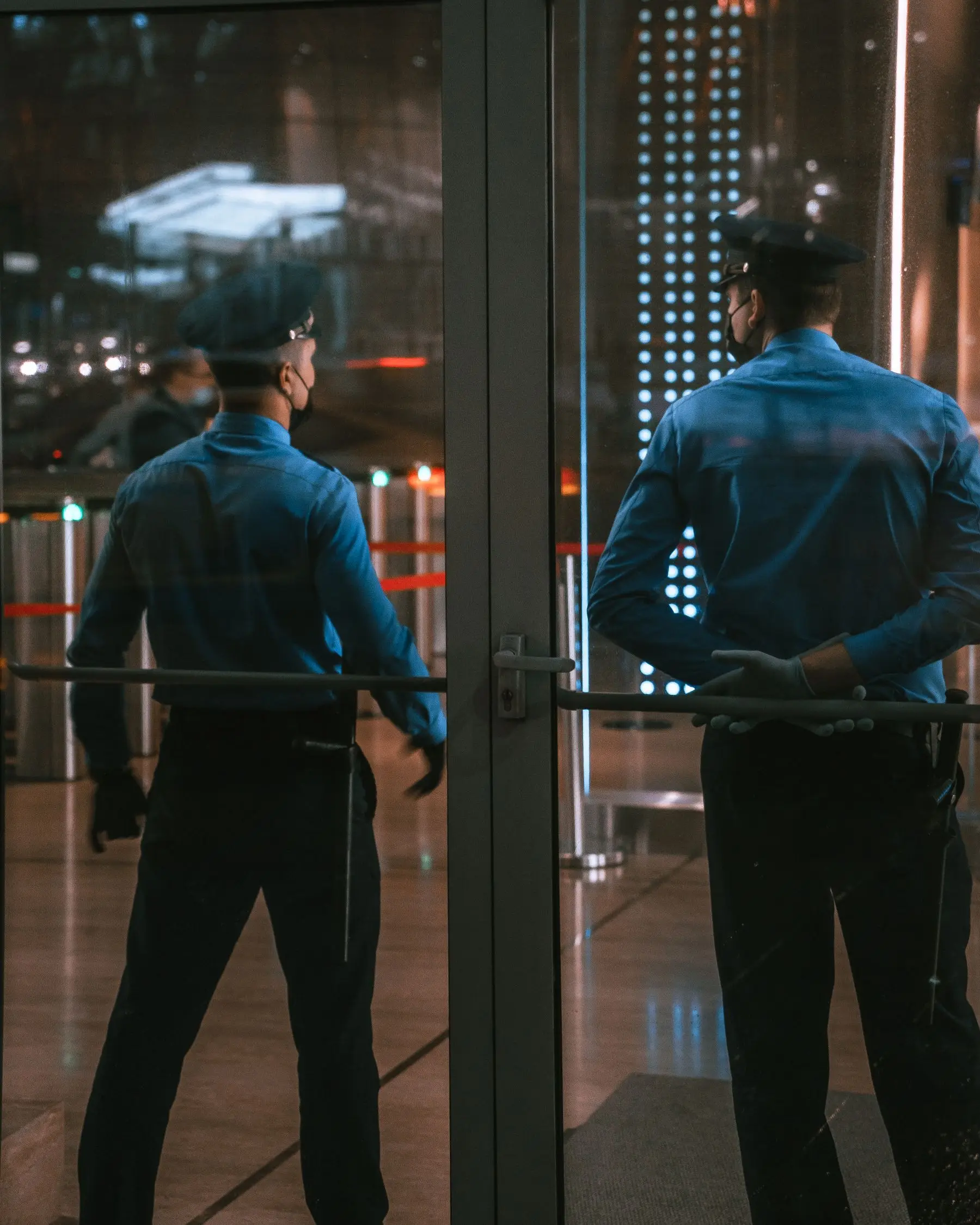
An officer on site is the only option that puts a trained person between a problem and your people. They deter, they challenge, they help someone who is hurt or lost, and they notice the small things that never reach a camera: a propped fire door, a van that has circled the car park twice, a contractor nobody booked in.
That value shows up when people are around. It is expensive to keep someone standing in an empty building all night to watch doors that a camera can watch for a fraction of the cost.
- Best when staff, visitors or deliveries are on site
- Best where incidents involve people, not just property
- Strongest deterrent, and the only one that can act immediately
- Highest cost per hour of the three

Mobile patrols: unpredictability at a lower cost
Patrol officers visit for a short period, check what matters and move on. A vehicle turning up at irregular times is a real deterrent, because anyone watching cannot work out how long they would have.
Patrols suit quiet hours and multiple sites. The trade-off is obvious: nobody is there between visits. If an intruder enters just after a patrol leaves, the site is uncovered until someone else notices, unless cameras are watched too.
Remote monitoring: eyes on an empty site
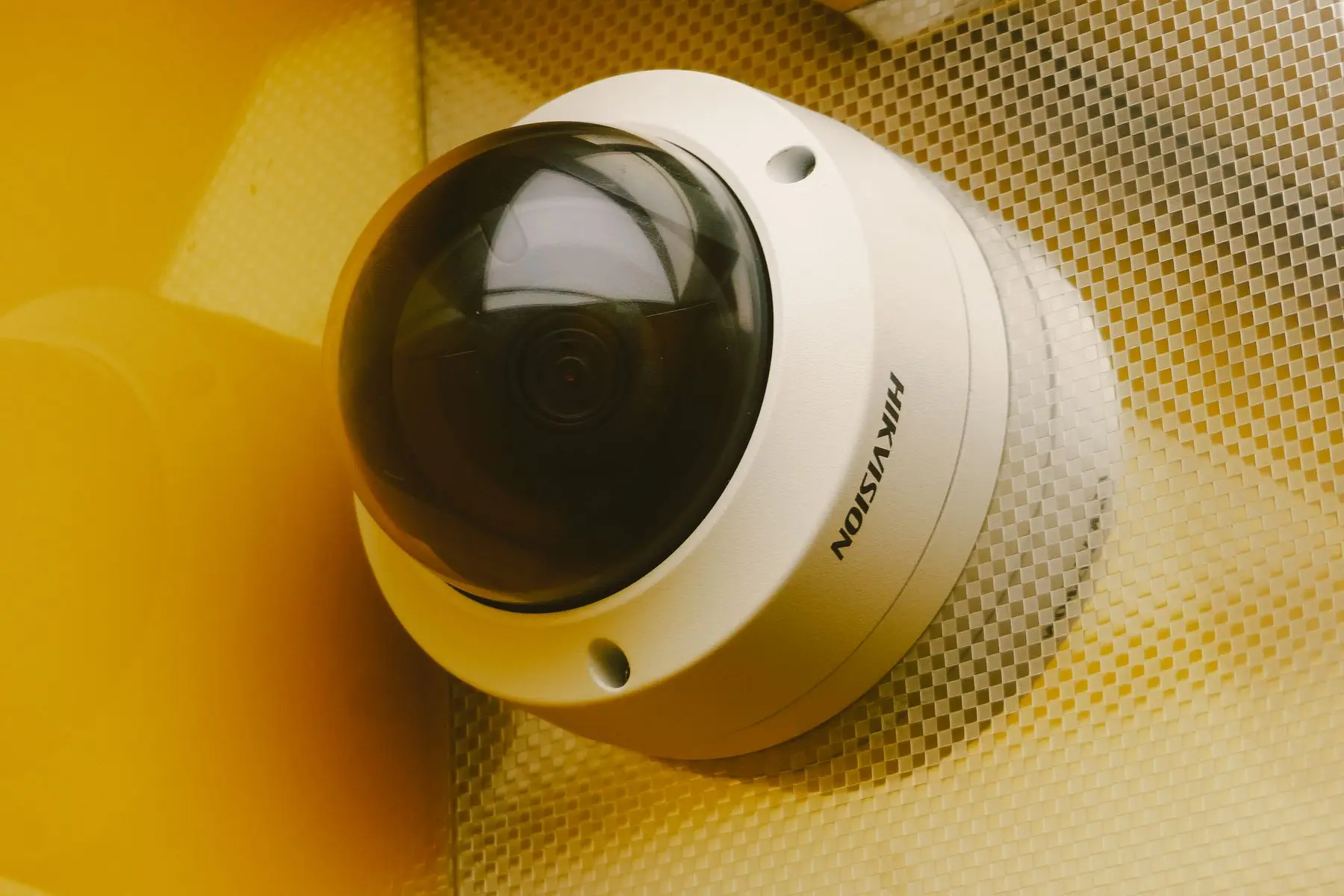
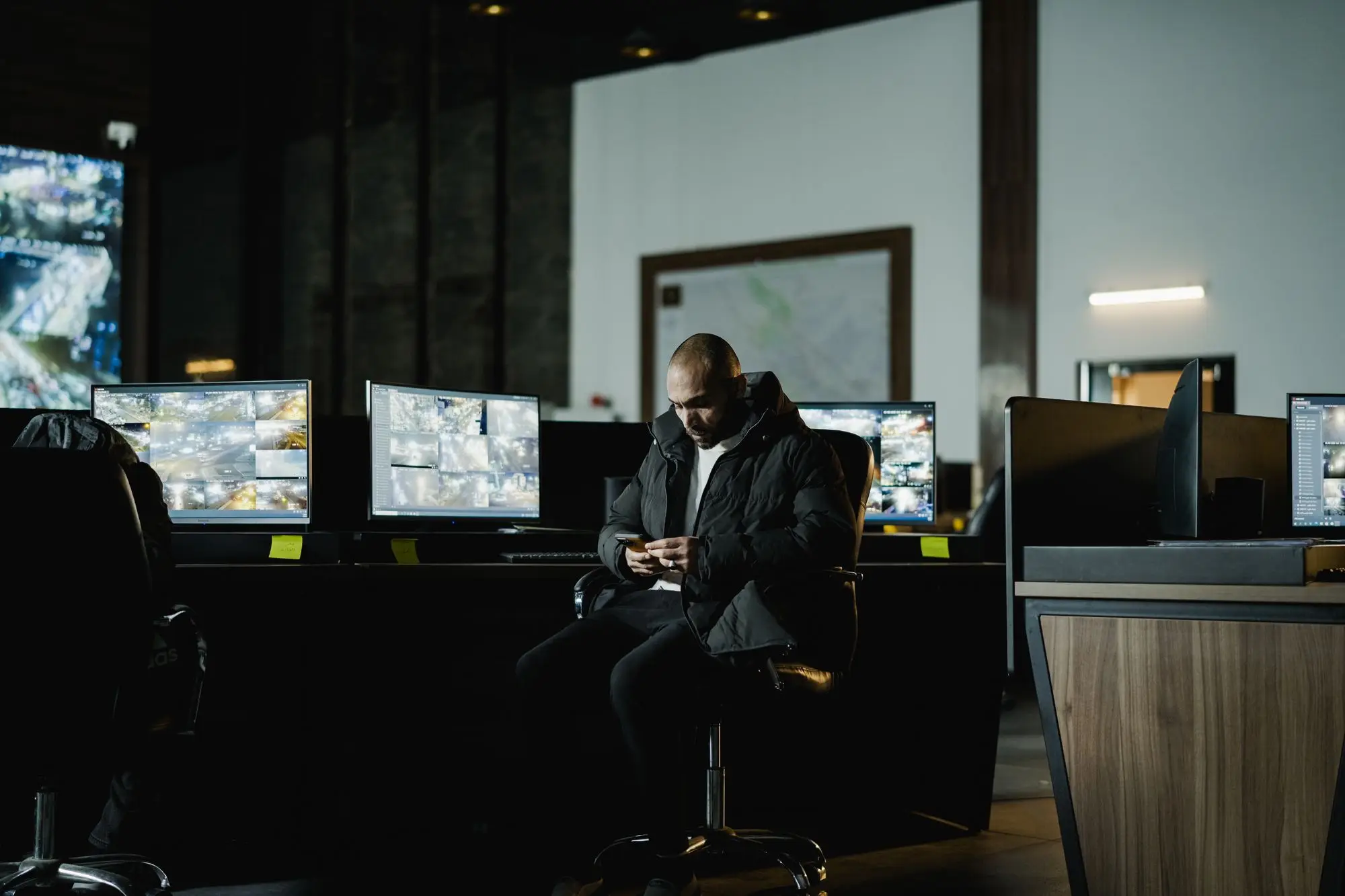
Monitoring uses cameras you already have, or ones installed for the purpose, watched from a staffed control room when detection triggers. A live voice describing what someone is wearing is often enough to make them think again.
It is by far the cheapest way to cover an empty site, and it produces footage of what actually happened, which is far more useful than an unexplained alarm. It cannot help a lone worker, calm an argument or unlock a gate for a delivery.
Blending the three
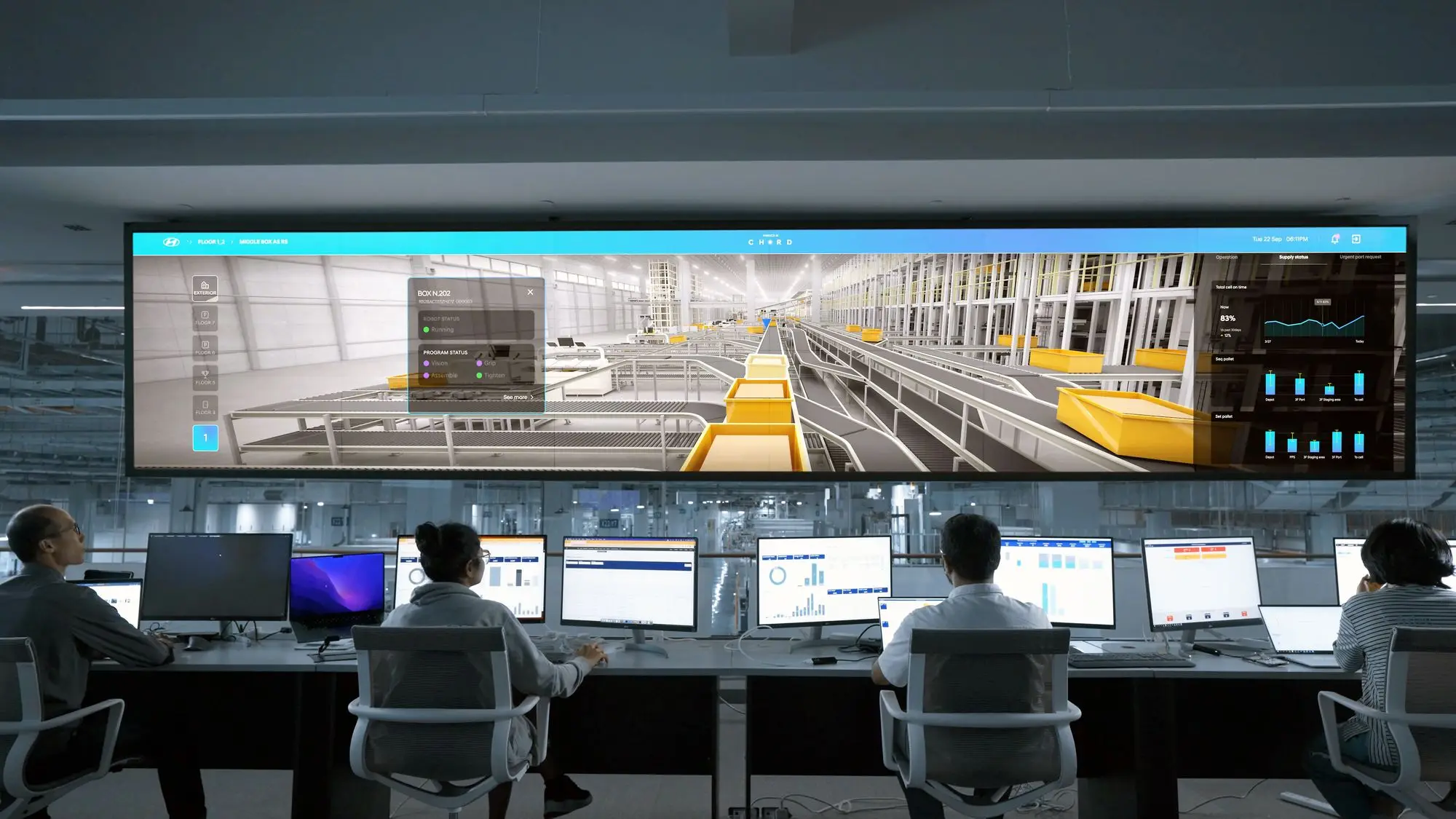
Most well-designed plans use all three across a week. A distribution site might staff the gatehouse during shifts, switch to camera monitoring when the yard empties, and keep a patrol unit on call for alarms. An office might run reception cover in the day, a lock-up visit at close, and monitoring overnight.
The right question is not "how many officer hours can we afford?" but "what is the cheapest way to make sure someone notices, and can act, at each hour of the week?"
Four questions before you compare quotes
- When are people on site, and when is it genuinely empty?
- What has actually happened here in the last two years, and at what time of day?
- If an alarm triggered at 3am, who would attend, and how long would it take?
- What would the plan cost if you moved half the night hours to monitoring?
A provider who cannot answer those with you, using your incident history rather than a standard template, is selling hours rather than security.